
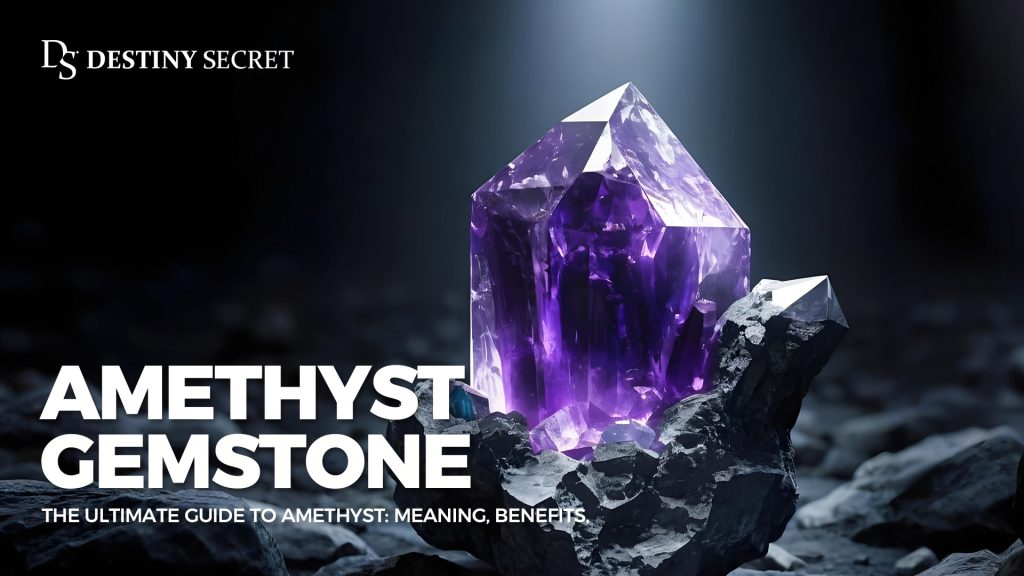
Have you ever held a piece of amethyst and felt an instant sense of calm? Its captivating color, ranging from pale lavender to deep royal purple, has made it one of the world’s most popular crystals. But beyond its beauty lies a profound amethyst meaning that spans millennia. For centuries, this stunning purple quartz has been more than just a gemstone; it has served as a symbol of royalty, a tool for spiritual seekers, and a cherished healer.
Whether you are drawn to its alleged metaphysical properties, its timeless beauty, or simply feel curious about the hype, navigating the world of amethyst can feel overwhelming. What does it truly represent? How do you find a genuine piece without overpaying? Is it the right stone for you?
This guide answers all these questions and more. We will delve into the rich history and true amethyst meaning, explore its powerful benefits, and equip you with the knowledge to choose a beautiful, authentic piece—perhaps even your next favorite Gemstone Beaded Bracelets.
Table of Contents
The Meaning and History of Amethyst
The Powerful Properties and Benefits of Amethyst
Amethyst Buying Guide: How to Choose a Real Gemstone
The Beauty of Amethyst Jewelry
Amethyst vs. Other Gemstones
Frequently Asked Questions
Research and References
Final Thoughts
Find Your Amethyst: A Companion for Your Journey
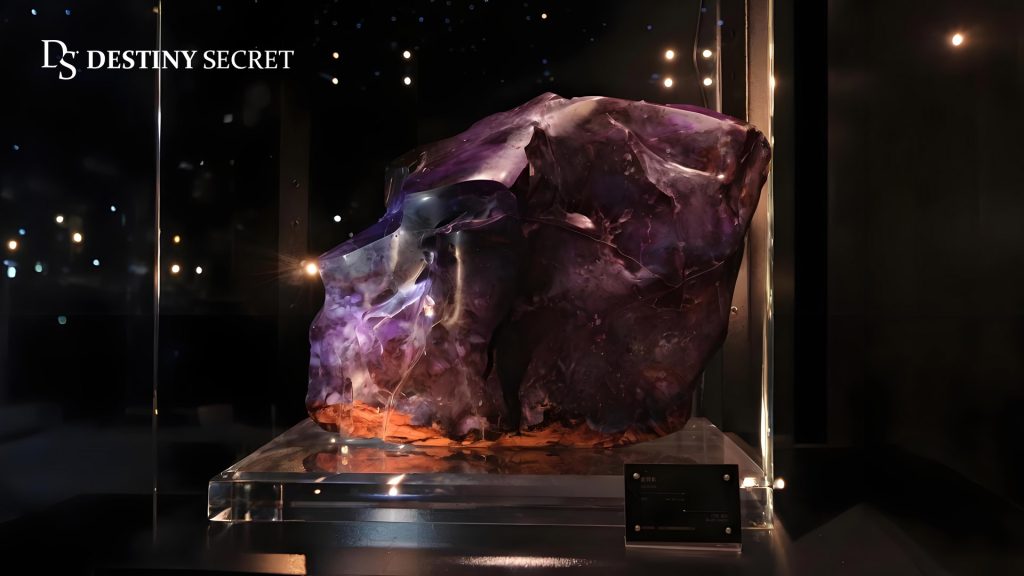
1. The Meaning and History of Amethyst
To truly understand the power of this crystal, you must first look back at its story. The name itself offers the first clue, deriving from the Ancient Greek word amethystos, which translates to “not intoxicated.”
1.1 The Legend of Amethyst
According to Greek mythology, the god Dionysus, known for wine and revelry, became enraged by a mortal and swore to unleash his tigers on the next person who crossed his path. That unfortunate soul was a beautiful maiden named Amethyst, who was on her way to pay tribute to the goddess Diana. To save her, Diana transformed Amethyst into a statue of pure white crystal. Seeing the beautiful statue, Dionysus wept tears of wine, which stained the quartz purple, creating the gemstone we know today. This legend cemented the belief that amethyst could protect its wearer from drunkenness and overindulgence.
1.2 A Stone of Royalty and Spirituality
Long after the Greeks, amethyst continued to hold a place of high esteem. Its rich, purple color—long associated with royalty, nobility, and power—made it a favorite for European monarchs and high-ranking clergy. People have found it adorning crowns, scepters, and rosaries for centuries. In fact, amethyst is often called the “Bishop’s Stone,” as bishops traditionally wear amethyst rings to symbolize their dedication to spirituality and sobriety of thought.
1.3 The February Birthstone
Today, amethyst is perhaps best known as the modern amethyst birthstone for February. It also serves as the traditional stone for those celebrating their 6th wedding anniversary. Its connection to clarity, peace, and stability makes it a meaningful gift for those born in the deep of winter. This long and varied history has endowed amethyst with a depth of amethyst meaning that few other gemstones can claim, representing everything from sobriety and royalty to spiritual wisdom.
2. The Powerful Properties and Benefits of Amethyst
For many, the appeal of amethyst goes far beyond its history and aesthetics. People consider it one of the most powerful healing crystals available, cherishing it for its high vibration and ability to transmute negative energy. While science does not prove these benefits, countless individuals feel them deeply through their crystal practice.
2.1 Calming the Mind and Enhancing Intuition
The most celebrated of the amethyst properties is its profoundly calming energy. It is often the first crystal recommended for stress, anxiety, and overwhelming thoughts. Placing it on your nightstand or holding it during meditation quiets the “monkey mind,” allowing for a deeper sense of peace and mental clarity. This calming effect also explains why many consider it excellent for promoting restful sleep and combating nightmares.
This tranquility paves the way for enhanced intuition. By quieting the noise of the conscious mind, the amethyst spiritual meaning becomes deeply tied to opening the “third eye”—the body’s energy center associated with intuition and psychic awareness. It serves as a powerful tool for those seeking to deepen their meditation practice and connect with their inner wisdom.
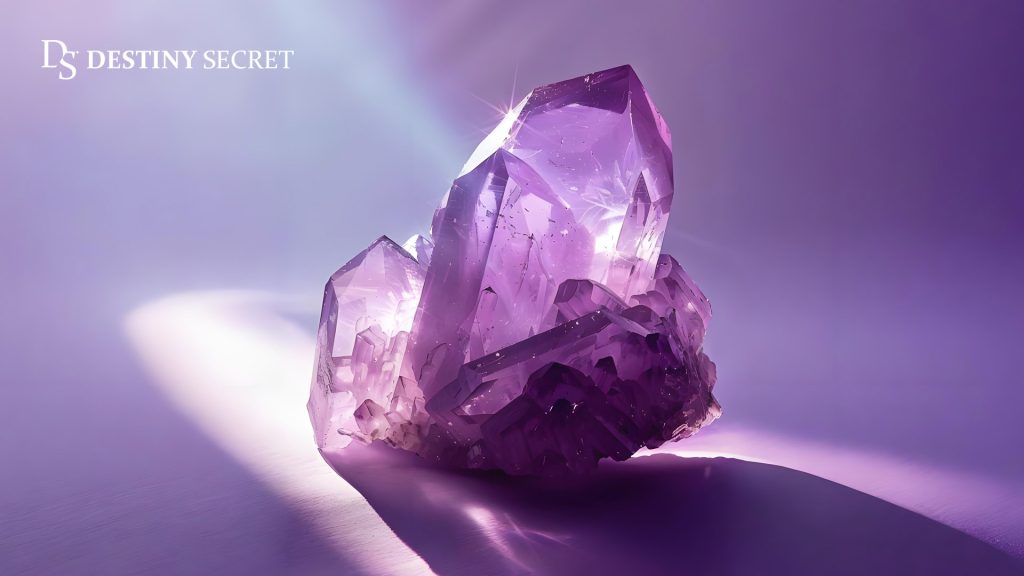
2.2 Amethyst and the Chakras
In energy healing, amethyst holds unique power because it interacts with multiple chakras.
Third Eye Chakra: Its primary association lies with the brow chakra, which governs intuition and perception.
Crown Chakra: It also activates the crown chakra, the center of connection to higher consciousness and spirituality. This dual-action makes amethyst a stone for both inner knowing and spiritual enlightenment.
Amethyst chakra work often involves placing a stone on the forehead or above the head during meditation to cleanse and balance these energy centers.
2.3 Protection and Emotional Healing
Amethyst also enjoys renown for its protective qualities. Many say it creates a “bubble” of spiritual light around the wearer, shielding them from psychic attacks, negative thoughts, and even geopathic stress. This makes it an excellent stone to carry with you or keep in your home.
On an emotional level, the amethyst crystal meaning is one of transformation. It helps to transmute lower energies—like anger, fear, and grief—into the higher vibrations of love and forgiveness. It encourages sobriety not just from alcohol, but from any addictive pattern of thought or behavior, promoting selflessness and spiritual wisdom. This explains why many people seek out amethyst jewelry as a personal talisman.
3. Amethyst Buying Guide: How to Choose a Real Gemstone
With great popularity comes a flood of imitations and low-quality stones. Knowing how to evaluate an amethyst becomes crucial to ensuring you receive a piece that is both beautiful and authentic. Here is what to look for when browsing amethyst for sale.
3.1 The 4 Cs of Amethyst (Color, Clarity, Cut, Carat)
Like diamonds, the value of amethyst depends on a combination of factors. Understanding them represents the first step in assessing amethyst value and amethyst price.
Color: This factor matters most. The most valuable amethysts display a deep, rich, royal purple with flashes of red or pink, known as “Siberian” color (named after a Russian region, not the origin). Medium to darker tones generally command more value than light, washed-out shades. The color should also distribute evenly, without visible zoning (bands of lighter and darker color). The amethyst color you choose ultimately comes down to personal preference, but deeper tones generally fetch a higher amethyst price per carat.
Clarity: Look for a stone that is “eye-clean,” meaning you cannot see any visible inclusions (like cracks, bubbles, or minerals) with the naked eye. While some inclusions occur naturally, they lower the clarity and therefore the value. High-clarity stones offer more brilliance and allow light to pass through beautifully.
Cut: The cut of a faceted stone maximizes its brilliance. A well-cut amethyst will have sharp, symmetrical facets that reflect light. Common cuts include oval, round, pear, and emerald cut. For cabochons (smooth, domed stones), the polish should be high, and the shape should remain symmetrical.
Carat: Like all gemstones, larger amethysts appear rarer and become more valuable per carat. A large, well-colored stone represents a true treasure and a significant investment.
3.2 Natural vs. Treated vs. Fake
This is where the amethyst real vs fake question becomes critical. Knowing the difference can save you from overpaying for glass.
Real Amethyst: Genuine natural amethyst will almost always contain slight imperfections. It will feel cool to the touch and then warm up quickly in your hand. As a 7 on the Mohs hardness scale, it should resist easy scratching by a steel knife.
Heat-Treated Amethyst: Most amethyst on the market undergoes heat treatment to enhance its color. The industry accepts this as a permanent practice. The main thing to know is that heat-treated amethyst can sometimes turn into citrine, which represents a different gemstone entirely.
Fake Amethyst: This usually consists of glass or synthetic material. It will often feel too perfect, contain no inclusions, and may feel warmer or colder than natural stone. It also often weighs much less. How to tell if amethyst is real includes checking for bubbles (a sign of glass), uniform color without any natural zoning, and an unnaturally low price. If a deal seems too good to be true for a large, deep purple stone, it probably is.
3.3 How Much is Amethyst Worth?
The question of amethyst worth comes up frequently. High-quality amethyst can range from $20 to $50 per carat, with top-tier stones fetching even more. However, commercial-grade amethyst remains quite affordable. A beautiful, smaller stone suitable for jewelry can cost as little as a few dollars per carat. The amethyst cost depends entirely on the factors above, so focus on finding a stone you love within your budget rather than worrying whether is amethyst expensive.
4. The Beauty of Amethyst Jewelry
The versatility of amethyst makes it a beloved choice for all types of jewelry. Its purple hue complements every skin tone and adds a pop of elegant color to any outfit.
4.1 Popular Types of Amethyst Jewelry
Amethyst Ring: An amethyst ring represents a classic choice. Whether it is a simple solitaire for daily wear, a vintage-inspired design, or a bold amethyst engagement ring for those seeking a unique symbol of their love, it makes a stunning statement.
Amethyst Necklace: An amethyst necklace places the stone’s energy close to the heart and throat chakras. From dainty pendants to elaborate amethyst and pearl necklace combinations, there exists a style for everyone.
Amethyst Earrings: Amethyst earrings frame the face with beautiful color. Whether you prefer simple amethyst stud earrings or elegant amethyst drop earrings, they are sure to brighten your complexion.
Amethyst Bracelet: An amethyst bracelet perhaps stands as the most popular choice for harnessing the stone’s energy throughout the day. Worn on the wrist, it serves as a constant reminder of your intentions.
4.2 Choosing the Right Metal
The metal you choose can dramatically change the look of your amethyst jewelry.
-
Amethyst and Gold: This pairing forms a classic. The warmth of yellow gold beautifully complements the cool purple of the stone, creating a rich, regal look. An amethyst and gold ring or amethyst gold necklace represents a timeless investment.
-
Amethyst and Silver: For a more modern and sleek aesthetic, amethyst silver ring and silver necklaces prove perfect. The cool tones of silver allow the purple of the stone to pop, creating a crisp, contemporary feel.
-
Rose Gold: The romantic blush of rose gold creates a stunning and trendy contrast with amethyst, making it a favorite for modern jewelry.
At Destiny Secret, we believe in the unique energy of each stone. Our collection of handcrafted amethyst bracelets offers you not just a piece of jewelry, but a personal talisman imbued with intention and care.
5. Amethyst vs. Other Gemstones
It is common to wonder how amethyst compares to other popular purple and healing stones. Here are a few quick comparisons to help you decide.
Amethyst vs. Citrine: Interestingly, these two are essentially the same mineral! Amethyst can turn into citrine when heated. Amethyst vs citrine boils down to color (purple vs. yellow) and energy. While amethyst calms, citrine energizes and associates with abundance.
Amethyst vs. Rose Quartz: Both stones powerfully affect the heart, but in different ways. Amethyst vs rose quartz compares spiritual love versus emotional love. Amethyst opens you to universal love, while rose quartz heals the heart and attracts romantic love.
Amethyst vs. Sapphire: While a purple sapphire can look similar, it represents a much harder and rarer (and therefore more expensive) stone. Amethyst vs sapphire often becomes a question of budget and durability. Amethyst offers more affordability and accessibility.
6. Frequently Asked Questions
Q: What color is amethyst supposed to be?
A: Amethyst ranges from a light, delicate lilac to a deep, intense purple. The most valuable color is a rich, royal purple with flashes of red.
Q: Can amethyst go in water?
A: It is best to avoid prolonged exposure to water. While a quick rinse causes no harm, extended soaking can damage the stone or its setting. Always remove your amethyst jewelry before swimming, showering, or doing dishes.
Q: How can I tell if my amethyst is real?
A: Check for natural imperfections, feel its temperature (it should feel cool at first), and look for bubbles (a sign of glass). When in doubt, buy from a trusted source.
Q: What is the spiritual meaning of amethyst?
A: Spiritually, amethyst represents purification, connection to the divine, and the opening of the third eye and crown chakras. It serves as a stone of spiritual protection and enlightenment.
7. Research and References
The information in this guide is compiled from a variety of respected sources in the fields of gemology and metaphysical study.
Gemological Institute of America (GIA): For gemstone identification and quality grading standards (gia.edu).
“The Book of Stones: Who They Are and What They Teach” by Robert Simmons and Naisha Ahsian: A comprehensive reference for the metaphysical properties of crystals.
Mindat.org: For detailed mineralogical data on quartz and amethyst.
Smithsonian National Museum of Natural History: For historical context on the use of gemstones in jewelry and royalty.
8. Final Thoughts
Amethyst stands as far more than just a pretty purple stone. It represents a gemstone with a rich history, a profound amethyst meaning, and a powerful energy that has captivated humanity for millennia. Whether you feel drawn to its beauty, its amethyst healing properties, or its spiritual significance, owning a piece of amethyst feels like holding a piece of ancient wisdom in your hand. By understanding what makes a real amethyst and how to choose one, you can find a stone that will become a cherished companion for years to come.
9. Find Your Amethyst: A Companion for Your Journey
Are you ready to experience the power and beauty of amethyst for yourself? We invite you to explore our curated collection of ethically sourced, handcrafted Amethyst Bracelets. Each piece has been carefully selected for its quality and energy, waiting to become a part of your personal story.